BLOG
How to Decide Whether Your Carpet Needs Repair, Restretching or Complete Replacement
Carpet naturally changes over time. Daily foot traffic, furniture, pets and normal household use gradually affect both its appearance and performance. When problems begin to appear, many homeowners assume the entire carpet needs replacing. In reality, some issues can be repaired or corrected through professional restretching, while others indicate the carpet has reached the end of its useful life.
For homeowners across Melbourne's outer eastern suburbs, understanding the difference between repair, restretching and replacement helps avoid unnecessary expense while keeping flooring safe and comfortable.
When Carpet Repairs Are the Right Choice
Not every damaged carpet needs to be replaced.
Localised problems are often suitable for repair, particularly when the rest of the carpet remains in good condition.
Common repairable issues include:
Small burns caused by hot objects.
Minor tears or cuts.
Pet damage around doors or corners.
Small stains that require section replacement.
Loose edges near doorways.
Where matching carpet is available from an offcut or inside a wardrobe, damaged sections can sometimes be replaced without changing the entire room.
Repairs are generally most successful when the damage is limited to one area and the surrounding carpet still has good structural condition.
Signs Your Carpet May Need Restretching
Ripples or waves across the carpet often indicate that the flooring has loosened rather than worn out.
This commonly occurs after many years of use as the carpet gradually loses tension. Heavy furniture being moved, changes in humidity or normal ageing can also contribute.
Professional restretching can often correct:
Ripples across open living areas.
Loose carpet near walls.
Raised sections creating trip hazards.
Wrinkles appearing in hallways.
Carpet lifting around doorways.
Restretching pulls the carpet back into its correct position before securing it again around the room.
If the carpet fibres remain in reasonable condition, this process can significantly improve both appearance and safety without requiring replacement.
When Replacement Becomes the Better Option
Some carpets simply reach a point where repairs are no longer practical.
Common signs that replacement should be considered include:
Widespread flattening throughout the home.
Permanent stains that remain after cleaning.
Large worn areas where the backing becomes visible.
Multiple repairs already completed over the years.
Persistent odours that remain trapped within the carpet or underlay.
When problems occur across several rooms rather than one isolated area, replacing the carpet often provides better long-term value than carrying out repeated repairs.
Don't Forget About the Underlay
The carpet itself is only one part of the flooring system.
Underlay gradually compresses after years of supporting daily foot traffic. Even if the carpet still looks reasonable, worn underlay can leave the floor feeling hard underfoot while reducing the carpet's ability to recover after use.
Signs that underlay may also need replacing include:
Reduced cushioning when walking.
Uneven areas beneath the carpet.
Noticeable dips or soft spots.
Persistent odours after cleaning.
Carpet that feels flat throughout the room.
Replacing carpet without replacing worn underlay often limits the performance of the new flooring.
Local Conditions Can Influence Carpet Wear
Homes throughout Melbourne's outer eastern suburbs experience different conditions depending on their location.
Leafy suburbs such as Belgrave, Upper Ferntree Gully, Montrose and Ferntree Gully often have more leaves, dirt and fine debris carried indoors from surrounding gardens and bushland.
Properties around Yarra Glen and Healesville may experience additional dust from larger blocks and rural driveways.
Established family homes in Lilydale, Croydon, Ringwood and Mooroolbark frequently show the greatest wear in hallways, bedrooms and living rooms simply because these areas receive constant daily use.
Understanding how the local environment affects flooring helps explain why some carpets wear faster than others.
A Professional Assessment Can Prevent Unnecessary Replacement
Many carpet problems appear worse than they actually are.
Ripples often look severe but may only require professional restretching.
Likewise, a small damaged section can sometimes be repaired without replacing an entire room.
On the other hand, carpet that has widespread wear, multiple damaged areas and deteriorating underlay may cost more to maintain than replacing it altogether.
Assessing the overall condition of the carpet, underlay and subfloor provides the clearest indication of which option offers the most practical long-term result.
Making the Right Decision
Every carpet reaches the point where repairs become less effective than replacement, but that point varies from home to home.
Small isolated damage often responds well to repairs. Loose carpet can frequently be corrected through professional restretching. Widespread wear, permanent staining and deteriorated underlay generally indicate that replacement will provide the better outcome.
Understanding the cause and extent of the problem allows homeowners to choose the option that best suits the condition of their flooring, helping them maintain a comfortable and well-presented home for years to come.



DISCOVER WHAT OUR CUSTOMERS HAVE TO SAY ABOUT US
REVIEWS
REVIEW US ON GOOGLE
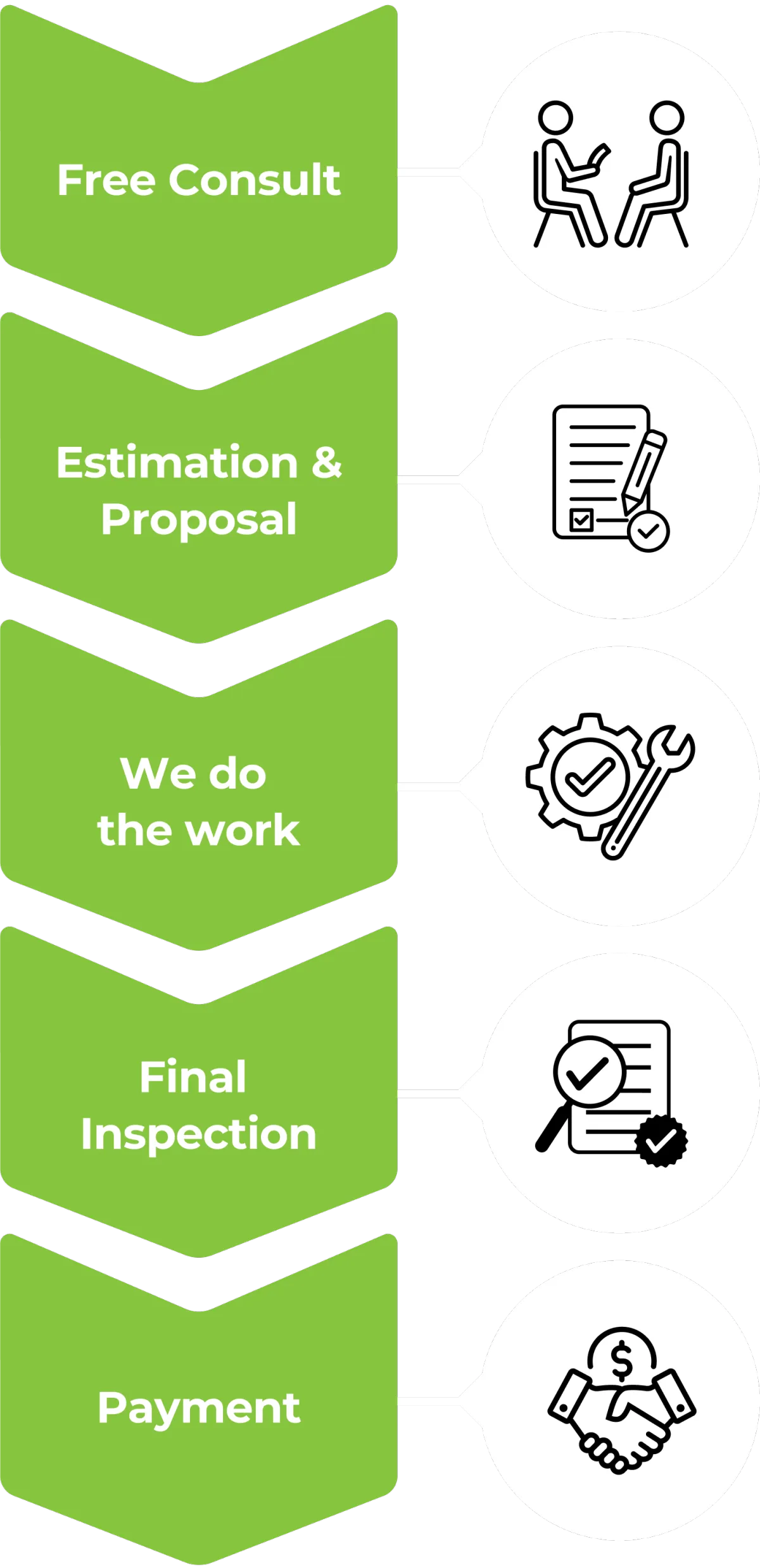
our process
Our process is simple and only contains a few simple steps